
Planting
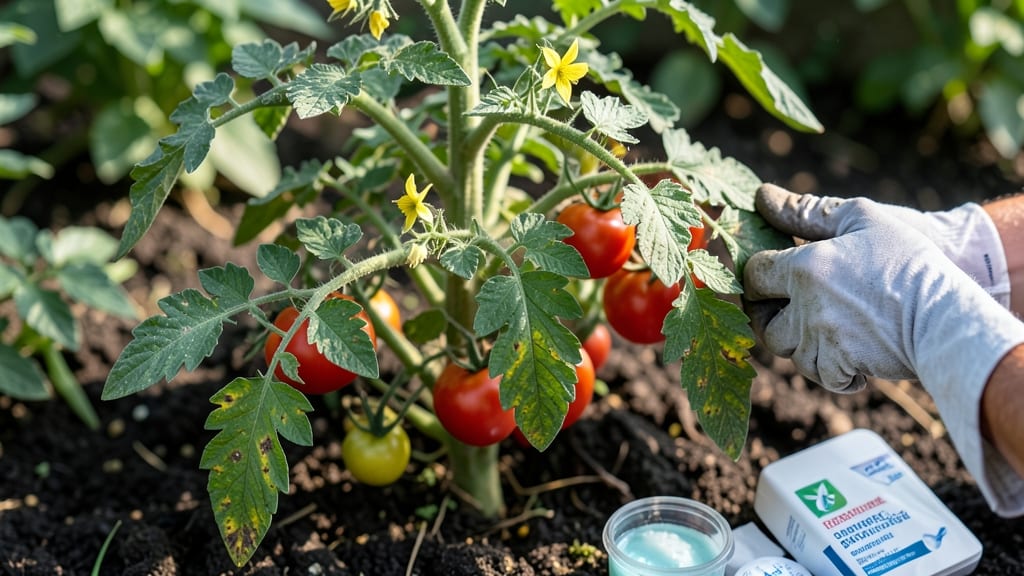
That itchy red rash after handling tomato plants isn’t just in your head—it’s solanine, a natural chemical in tomato sap that triggers contact dermatitis in sensitive skin. 🌱 I’ve dealt with this myself after pruning my heirloom plants, and the good news is you can prevent it with simple steps and treat it naturally.
The culprit is usually raw sap from stems or leaves, but fungal spores (like from early blight) or pesticide residue can worsen reactions. Washing hands immediately with soap and water cuts exposure, while wearing gloves during heavy pruning keeps skin safe.
For existing rashes, a cool compress with oatmeal or baking soda soothes irritation, and over-the-counter hydrocortisone cream speeds healing. The key is acting fast—most reactions fade within 24-48 hours if treated properly.
This works for gardeners with sensitive skin, kids helping in the yard, or anyone who’s ever scratched their arms after harvesting tomatoes. Let’s keep your skin—and your plants—happy.
Root Causes Of Plant Rashes
Tomato plant skin rashes—often called contact dermatitis—can turn a sunny gardening session into an itchy nightmare. But why does this reaction happen? The culprits are usually a mix of natural plant defenses and human sensitivities. Let’s break down the science behind the irritation.
Tomato plants (Solanum lycopersicum) contain natural compounds that can trigger allergic reactions in sensitive individuals. The most common offenders include:
- Solanine & Chaconine – These glycoalkaloids (bitter-tasting toxins) are concentrated in the green parts of the plant, including stems, leaves, and unripe fruit.
While they’re not usually harmful in small amounts, direct skin contact can cause redness, swelling, or blisters in people with sensitivities. - Histamine-Like Compounds – Tomatoes contain natural histamines (similar to those released in allergic reactions).
When crushed or damaged, these compounds can leak onto your skin, triggering an immune response. - Volatile Oils & Terpenes – The aromatic oils in tomato leaves and stems (like limonene and alpha-pinene) can act as skin irritants, especially if you have eczema or dry skin.
Pro Tip: 💡 If you’re prone to rashes, wear gloves when handling green tomato parts—even pruning can release these irritants!
Sometimes, the rash isn’t from the tomato plant itself—but from hitchhiking irritants that live on it:
- Spider Mites & Aphids – These tiny pests leave behind saliva and excrement that can cause mild allergic reactions upon contact.
Their silky webbing may also trap irritating plant resins. - Fungal Spores (Early Blight, Late Blight) – Fungi like Alternaria and Phytophthora produce mycotoxins that can irritate skin, especially if you’re handling infected leaves without protection. - Pollens & Mold – Tomato plants attract pollen from other plants and may harbor mold spores, which can worsen hay fever or eczema in susceptible people.
Action Step: ⏰ Before gardening, rinse tomato leaves with water to dislodge pests or spores—this reduces direct exposure.
Not everyone reacts the same way to tomato plants. Your immune system and skin barrier play a huge role:
| Factor | How It Contributes to Rashes | What You Can Do |
|---|---|---|
| Compromised Skin Barrier (eczema, dry skin) | Damaged skin absorbs irritants faster, leading to inflammation and itching. | Use moisturizing lotions (like ceramides) before gardening. |
| Latex-Fruit Syndrome | Some people allergic to latex also react to tomatoes (both contain chitinase proteins). | Get patch-tested if you suspect this cross-reactivity. |
| Overactive Immune Response | Your body may overreact to harmless plant compounds, mistaking them for threats. | Take antihistamines (like Benadryl) 30 mins before gardening as a precaution. |
Warning: 🚨 If your rash spreads, blisters, or causes swelling, seek medical help—it could be severe allergic contact dermatitis requiring steroids.
Sometimes, the rash isn’t from the plant at all—it’s from how you interact with it:
- Scratching & Breaking Skin – If you scratch a bug bite or abrasion while gardening, **bacteria (like Staphylococcus) can infect the wound, causing pus-filled bumps that mimic a rash.
- Sap & Sticky Resins – Tomato sap can clog pores, leading to folliculitis (inflamed hair follicles) if left unwashed.
- Sweat & Heat Rash – Gardening in hot, humid conditions traps sweat under gloves or clothing, creating occluded skin irritation.
Prevention Tip: 🌡️ Wash your hands with mild soap immediately after gardening—this removes resins, sap, and bacteria before they cause issues.
Tomatoes aren’t the only garden culprits. If your plants are crowded or mixed, you might be exposed to:
- Poison Ivy/Oak – These toxic plants** (from the Toxicodendron family) can grow near tomatoes. Their urushiol oil causes severe blistering rashes—even indirect contact (like tools or clothing) spreads it. - Nightshade Relatives – Plants like eggplant, peppers, and potatoes contain similar irritants (solanine).
Handling multiple nightshades increases exposure risk.
Safety Check: ✅ Before gardening, inspect your plants for unwanted vines or leaves—remove them immediately to avoid accidental contact.
Quick Fixes for Plant Skin Reactions
If you’ve already spotted that telltale redness, itching, or bumps after handling tomato plants, don’t panic—there are fast, natural ways to calm your skin and prevent flare-ups. Below, we’ve mapped out targeted solutions based on the most common causes of tomato plant contact dermatitis, from irritating sap to hidden allergens.
Plus, we’ll share prevention tips to keep your gardening sessions rash-free.
Cause: The sticky, milky sap (especially from hairy stems or damaged leaves) contains solanesol, a compound that can trigger irritation in sensitive skin.
How to Fix It:
- 🚰 Rinse Immediately
- Wash your hands (and exposed skin) thoroughly with cool water and mild soap (like Castile soap or fragrance-free Dove). Avoid hot water—it can worsen irritation.
- Pro tip: Use a gentle exfoliating scrub (like oatmeal or aloe-based) to remove residual sap stuck in pores.
- 🧊 Cool Compress for Relief
- Apply a clean, damp cloth soaked in cold water (or chamomile tea for extra soothing) for 5–10 minutes to reduce swelling and itching.
- Bonus: Freeze the cloth for an instant numbing effect on stubborn bumps.
- 🌿 Aloe Vera or Calendula Gel
- Dab pure aloe vera gel (no additives) or calendula-infused oil directly on affected areas. These act as natural anti-inflammatories and speed up healing.
- Avoid: Petroleum-based products (like Vaseline) if you’re prone to clogged pores—they can trap irritants.
- 🍯 Honey or Apple Cider Vinegar (ACV) Paste - Mix 1 tbsp raw honey + 1 tsp ACV into a paste, apply to the rash, and leave for 15–20 minutes before rinsing.
Honey has antibacterial properties, while ACV balances pH. - Caution: Patch-test first if you have open wounds.
Cause: Tomato plants (especially outdoor varieties) can attract bees, wasps, or pollen, which may trigger allergic reactions in some people.
How to Fix It:
- 💧 Saline Rinse for Pollen
- Use a saline spray (or mix 1 tsp salt in 1 cup warm water) to rinse skin. This removes pollen particles without stripping natural oils.
- For eyes/nose: A cool saline eye wash (like those for contacts) can relieve itchy irritation.
- 🍋 Citrus Peel or Basil Leaf Rub - Rub the inside of a lemon or lime peel (citric acid helps neutralize allergens) or crush fresh basil leaves into a paste.
Apply for 3–5 minutes, then rinse. - Why it works: Both have anti-histamine-like effects to counteract mild allergic reactions.
- ❄️ Ice + Antihistamine Cream
- Reduce swelling with ice wrapped in a cloth, then apply a topical antihistamine (like hydrocortisone 1% or Benadryl cream) to stop itching.
- Oral option: Take 10–15 mg of Benadryl (diphenhydramine) if swelling spreads or you develop hives.
Cause: Spoiled tomatoes (or moldy stems/leaves) can harbor mycotoxins or bacterial spores, leading to delayed skin reactions (like eczema flare-ups).
How to Fix It:
- 🧴 Tea Tree Oil Spot Treatment
- Mix 2 drops tea tree oil + 1 tsp coconut oil and dab on affected areas 2x daily. Tea tree oil has antifungal properties to fight mold-related irritation.
- Patch-test first! Some people are sensitive to essential oils.
- 🥣 Oatmeal Bath for Whole-Body Relief
- Fill a bathtub with lukewarm water + 1 cup colloidal oatmeal (or finely ground oats). Soak for 15–20 minutes to soothe widespread rashes.
- Add: A handful of baking soda to neutralize any acidic irritation.
- 🍯 Probiotic Yogurt Mask
- Apply plain, unsweetened yogurt (with live cultures) to the rash for 10 minutes, then rinse. Probiotics help restore skin’s microbiome, reducing mold-related inflammation.
Stop rashes before they start with these easy habits:
| Prevention Step | How to Do It | Why It Works |
|---|---|---|
| 🧤 Wear Gloves | Use nitrile or neoprene gloves (not latex) when handling plants. | Blocks sap and pollen from touching skin. |
| 👕 Long Sleeves + Hat | Cover arms/legs with lightweight, breathable fabric (like linen). | Reduces exposure to stems, leaves, and insects. |
| 🌱 Wash Tools & Hands | Rinse pruners, pots, and hands with vinegar water (1:3 ratio) after gardening. | Kills bacteria/mold on surfaces. |
| 🚿 Post-Garden Shower | Shower within 30 minutes of handling plants, using fragrance-free soap. | Removes hidden irritants before they bind to skin. |
| 🌿 Choose Low-Irritant Varieties | Opt for smooth-stemmed tomatoes (like ‘Roma’ or ‘Cherry’) over hairy types. | Less sap = fewer reactions. |
| 🌞 Avoid Peak Pollen Times | Garden early morning or after rain (pollen counts are lower). | Reduces allergic triggers from windborne particles. |
While most tomato plant rashes fade in 24–48 hours, seek medical help if you experience:
- 🔴 Severe swelling (face, throat, or lips)
- 💢 Difficulty breathing (signs of anaphylaxis)
- 🧠 Dizziness or nausea (possible systemic reaction)
- 🩹 Rash spreading or oozing pus (risk of infection)
Final Pro Tip: Keep a small kit in your gardening bag with: ✅ Aloe vera gel ✅ Hydrocortisone cream (1%) ✅ Saline spray ✅ Nitrile gloves
This way, you’re prepared to act fast—no more scratching or guessing what’s causing the irritation! 🌱✨
Frequently asked questions
Why do some people get rashes from tomato plants but not others?
Skin reactions depend on your sensitivity to solanine and other compounds in tomato sap. People with eczema, allergies, or compromised skin barriers are more prone to irritation. Even if you haven’t reacted before, factors like heat, humidity, or damaged skin can trigger a response. Try wearing gloves during gardening to test your tolerance.
How long does a tomato plant rash usually last?
Most rashes from tomato sap fade within 24-48 hours with proper care. If treated early with cool compresses and aloe vera, symptoms may resolve in just 12 hours. However, if the rash spreads, blisters, or persists beyond 3 days, see a doctor—it could indicate a more serious reaction.
Can washing with soap prevent tomato plant rashes?
Yes! Washing with mild, fragrance-free soap within 5 minutes of exposure removes irritants like solanine and sap. Use cool water—hot water can open pores and worsen irritation. For extra protection, rinse tools and gloves with vinegar water (1:3 ratio) after gardening.
Are certain tomato varieties less likely to cause rashes?
Yes! Varieties with smooth stems and fewer hairs, like Roma or Cherry tomatoes, produce less irritating sap than hairy types. Avoid green, unripe fruit—they contain higher concentrations of solanine. If you’re highly sensitive, opt for organic tomatoes to minimize pesticide exposure.
What should I do if my child gets a rash from tomato plants?
Start with a cool compress and gentle soap to remove sap. Use hydrocortisone cream (1%) for itching, but avoid oral antihistamines unless advised by a doctor. If the rash worsens or spreads, seek medical help immediately—children’s skin is more sensitive and absorbs irritants faster.